 Tianjin Zhongchi Industrial Co., Ltd


 400-756-7976

How does a sound tube work?
Time: 2024-02-19 15:38:15
Click:
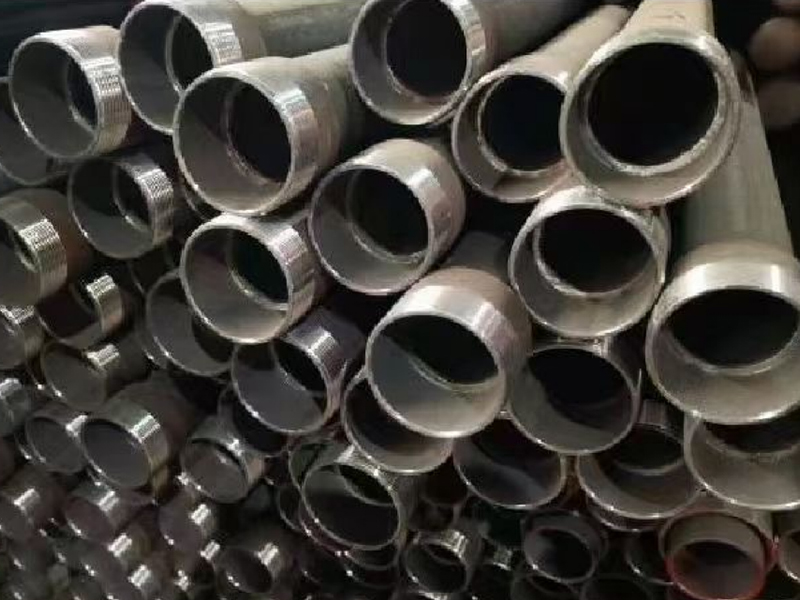
Acoustic tube, as the name suggests, is a tubular device that uses sound waves for detection. The core principle is based on the propagation speed, reflection, and attenuation characteristics of sound waves in different media to achieve detection and measurement of specific objects or environments.
Acoustic tube is a tubular device that uses sound waves for detection. The core principle is based on the propagation speed, reflection, and attenuation characteristics of sound waves in different media to achieve detection and measurement of specific objects or environments.
Specifically, acoustic tubes mainly consist of transmitters, receivers, and analysis systems. The transmitter generates sound waves of specific frequencies, which encounter different media or obstacles during propagation, resulting in reflection, scattering, or transmission. The receiver is responsible for capturing these processed sound waves, which are further processed and analyzed by the analysis system to obtain a series of information about the measured object.
A sonic tube is a device used to monitor underground media, and its working principle is based on the propagation of sound waves. The acoustic tube consists of one or more sensors installed inside the pipeline, which can measure the propagation speed and reflection of sound waves in underground media. By analyzing these acoustic data, important information about underground structures and soil properties can be obtained.
The basic principles of acoustic tubes include the following aspects:
1. Measurement of sound wave propagation speed: By emitting sound waves and measuring their propagation speed, acoustic tubes can calculate physical properties such as density and elastic modulus of underground media. This is crucial for determining the stability and bearing capacity of the soil.
2. Underground structure monitoring: Acoustic tubes can detect the presence and status of underground structures (such as pipelines, tunnels, pile foundations, etc.). By analyzing the reflection of sound waves, potential problems can be identified, such as pipeline leaks or tunnel collapses.
3. Groundwater level monitoring: Acoustic tubes can be used to monitor changes in groundwater levels. When the groundwater level rises or falls, the propagation speed of sound waves will change, which can help engineers take timely measures to avoid damage to underground structures.
4. Underground pollution detection: Acoustic tubes can also be used to detect the diffusion of underground pollutants. By analyzing the propagation characteristics of sound waves in different media, the location and concentration of pollutants can be determined.

点击右上角
分享给朋友吧







 Long by picture save/share
0
More news recommendation 
-

What is an advanced small catheter?
What is grouting pipe - advanced small pipe? Advance small pipe grouting refers to the method of injecting small steel pipes into the surrounding rock above or near the palm fabric before excavation to improve the condition of the surrounding rock and ensure the stability of the palm surface.
View Details -
Three ways to connect acoustic tubes
There are three ways to connect sound measuring tubes: clamp type sound measuring tubes, spiral type sound measuring tubes, and sleeve type sound measuring tubes.
View Details -
Construction method of grouting pipe
In construction engineering, grouting pipes are a very important building material. It is mainly used to inject cement slurry into concrete to enhance its compressive strength and waterproof performance. Next, we will provide a detailed introduction to the construction method of grouting pipes.
View Details -
How to correct the testing accuracy of the bending sound velocity of a sonic tube?
The parallelism of acoustic tubes has a significant impact on the accuracy of sound velocity testing. However, in fact, during the construction process of concrete cast-in-place piles, it is very easy for acoustic pipes to bend and twist, leading to significant deflection.
View Details -
Good news | Zhongchi Industry has been awarded the title of Model Star!
On February 18, 2024, Zhongchi Industrial relied on its excellent technical strength and unwavering original intention, adhering to the corporate philosophy of "quality in action, craftsmanship in the heart", leveraging its own advantages, establishing a good reputation, actively promoting the development of various businesses, and was awarded the title of "Model Star" by the local government.
View Details -
How does a sound tube work?
Acoustic tube, as the name suggests, is a tubular device that uses sound waves for detection. The core principle is based on the propagation speed, reflection, and attenuation characteristics of sound waves in different media to achieve detection and measurement of specific objects or environments.
View Details



Contact Us +
 Telephone:400-756-7976
 Mailbox:3120782301@qq.com
 Address: Tianjin Jinghai District Yangchengzhuang Township double kiln industrial park


All rights reserved @ Tianjin Zhongchi Industrial Co., Ltd. This site supports: IPV6
点击右上角
分享给朋友吧
Tianjin Zhongchi Industrial Co., Ltd.
Contact Us+
telephone:400-756-7976
mailbox:3120782301@qq.com
Address: Shuangyao Industrial Park, Yangchengzhuang Township, Jinghai District, Tianjin City
点击右上角
分享给朋友吧
This website supports:IPV6
Copyright @ Tianjin Zhongchi Industrial Co., Ltd

